Vocational Training for Young Adults
A diploma means little without a way to earn a living. This cause funds hands-on trade training that leads directly to paid work.
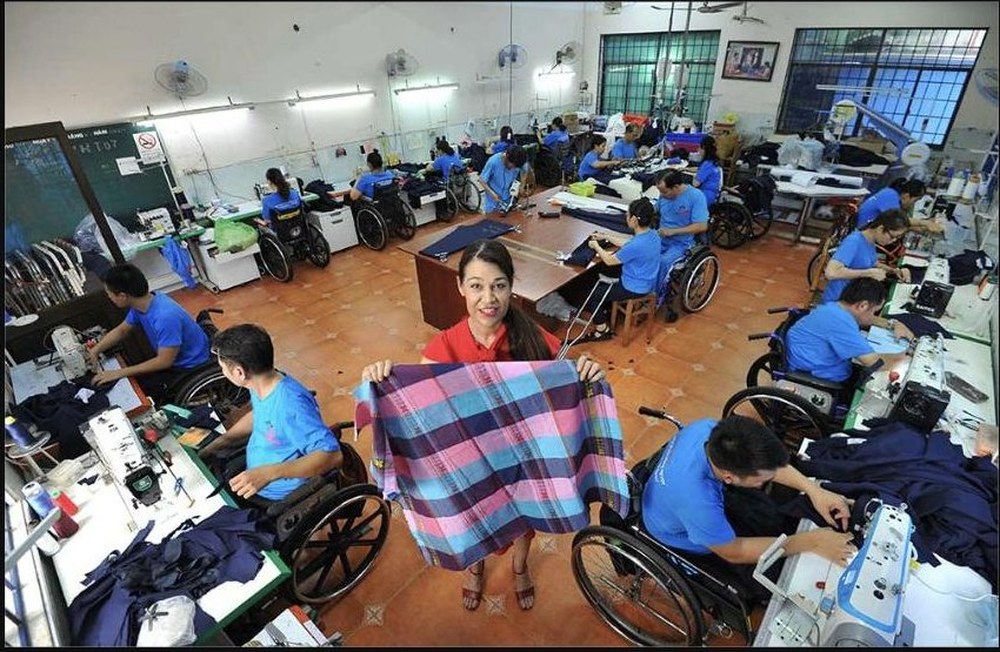
Independence starts with a trade, not just a certificate
For young people from disadvantaged backgrounds — and especially for young adults with disabilities — the hardest part of finishing school is often what comes after. Formal job markets can be unwelcoming, and academic study alone rarely leads directly to income. A concrete, marketable skill changes that equation.
Entraide Asia backs vocational programs that are built to end in a job, not just a graduation ceremony: sewing, cooking, computing, carpentry and similar trades, taught in workshops that double as small working businesses.
From training to a paycheck
Hands-On Trade Skills
Sewing, pastry and hospitality, computing and carpentry programs that teach a specific, employable skill rather than general theory.
Paid Work While Training
Workshops structured as functioning small businesses, so trainees earn an income from day one instead of waiting until graduation.
Adapted for Disabilities
Equipment and workstations adapted for wheelchair users and other physical disabilities, so a disability doesn't rule out a trade.
A Route to Independent Living
Skills chosen specifically because they support long-term, independent income — the practical foundation for living outside a care setting.
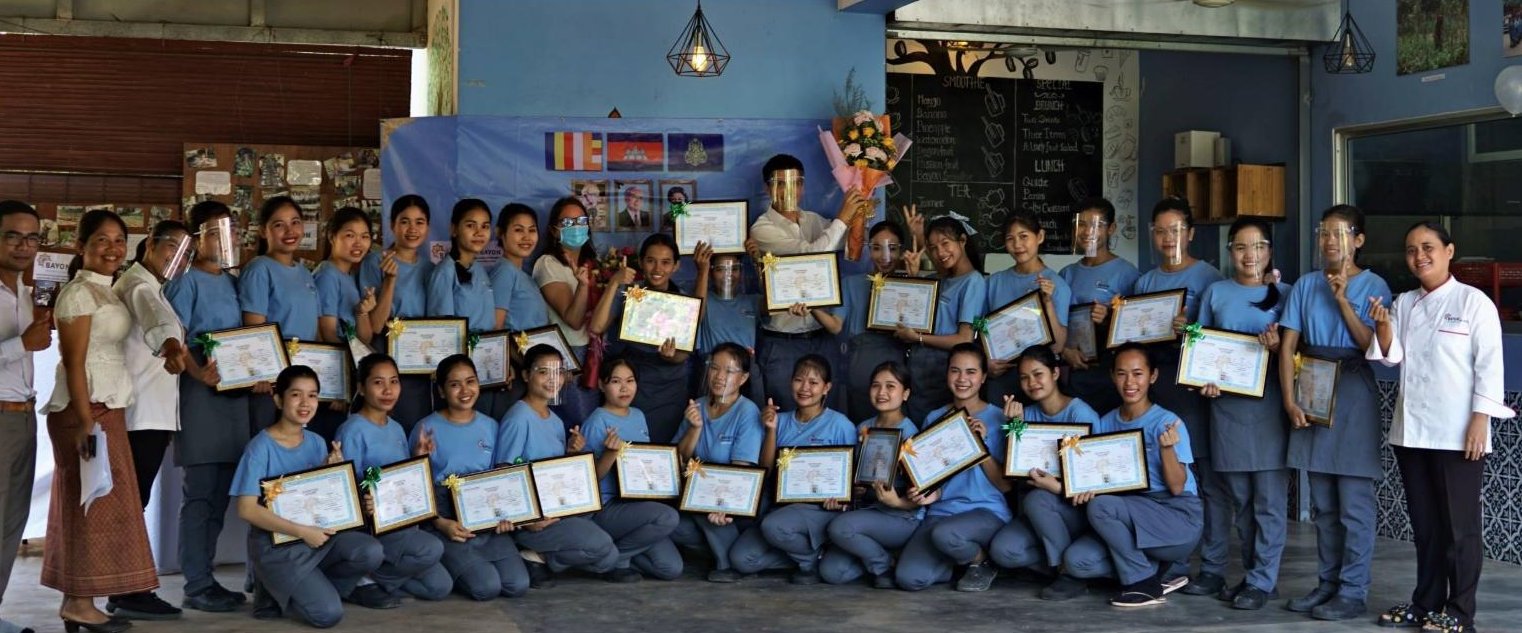
A graduating class from Bayon School's bakery-and-pastry program — one of two vocational tracks Entraide Asia helps fund.
Two very different workshops, one goal
At Bayon School in Cambodia, a free bakery-and-pastry program launched in 2014 still trains young women from the area today. At Maison Chance in Vietnam, the Take Wing center trains residents with disabilities in sewing, computing, design and carpentry — work that pays directly rather than waiting for a diploma. Different trades, same principle: a skill someone can actually use to earn a living.
See Take Wing at Maison Chance →
Backing programs that pay for themselves over time
Support here goes toward equipment, materials and instructor costs for vocational programs already run by our partners — chosen because they lead directly into paid work rather than requiring years of further study to become useful.